
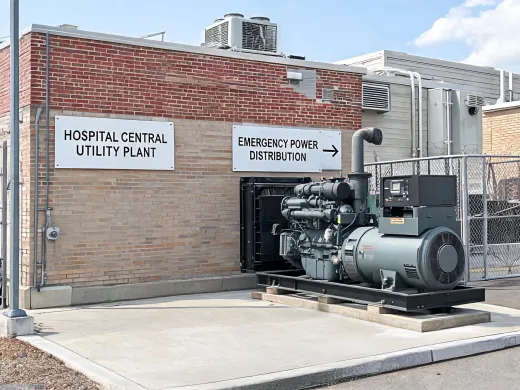
Critical power, planned end to end
Perkins Generator systems for loads that must stay online
Move from load profile and starting-current review to a coordinated standby package, with practical guidance on fuel strategy, transfer sequencing, enclosure choice, installation access, and maintenance planning.
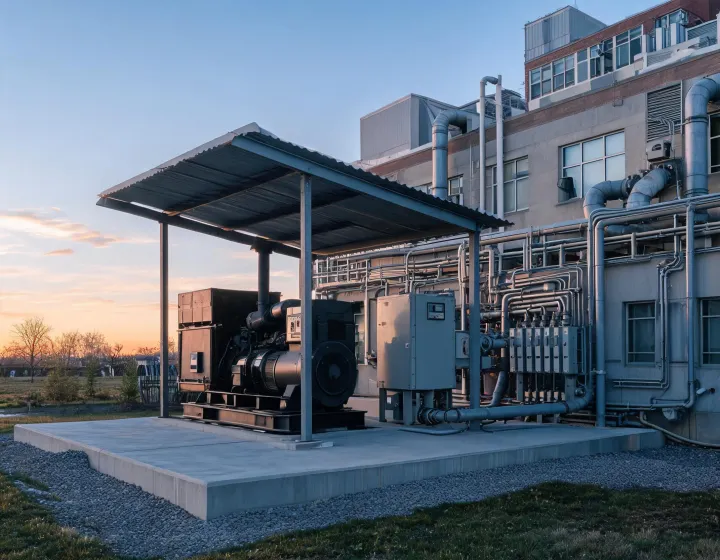
Load ProfilekW, kVA and motor-start review
Site ConditionsAltitude and ambient derating
System InterfaceVoltage, frequency and controls
DocumentationSubmittals and commissioning records
Selection data
Group the ratings before comparing generator sets
| Specification group | Project input | Why it matters |
|---|---|---|
| Electrical output | 30 kW to 450 kW reference range, 50/60 Hz, project voltage | Frames the alternator, breaker, conductor, and transfer-equipment review. |
| Load behavior | Running kW, kVA, power factor, largest motor, starting sequence | Exposes transient response and voltage-dip requirements that nameplate totals miss. |
| Operating duty | Standby, prime, runtime, load factor, redundancy | Changes rating basis, maintenance planning, fuel storage, and permitted operating hours. |
| Site envelope | Ambient temperature, elevation, IP rating, acoustic target | Identifies derating, cooling, enclosure, ventilation, and access constraints. |
Application environments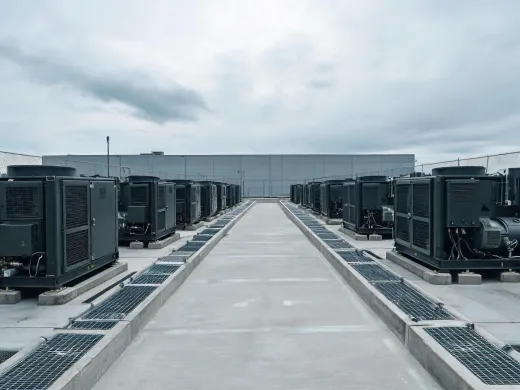
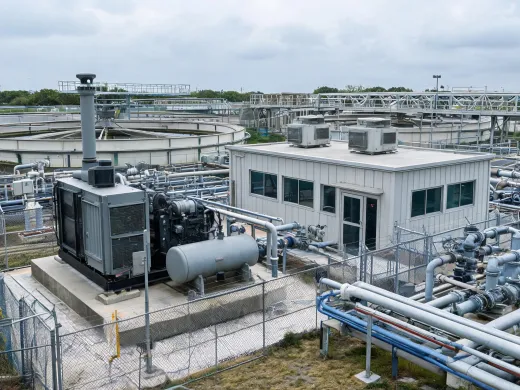
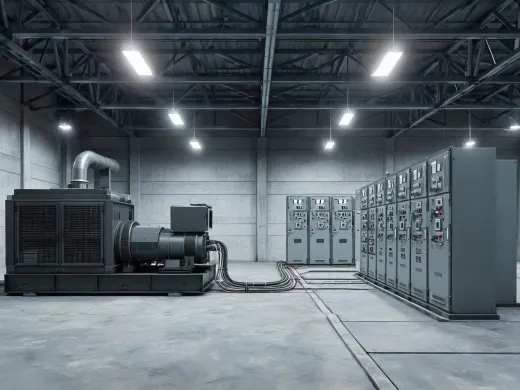
Backup power shaped around the consequence of an outage
Data Centers
Water Infrastructure
Manufacturing
Bring the load schedule before the purchase order
Share voltage, frequency, largest motor, duty, runtime, site elevation, enclosure expectations, and the target commissioning date. Our project team will organize the open decisions into a workable request for quotation.